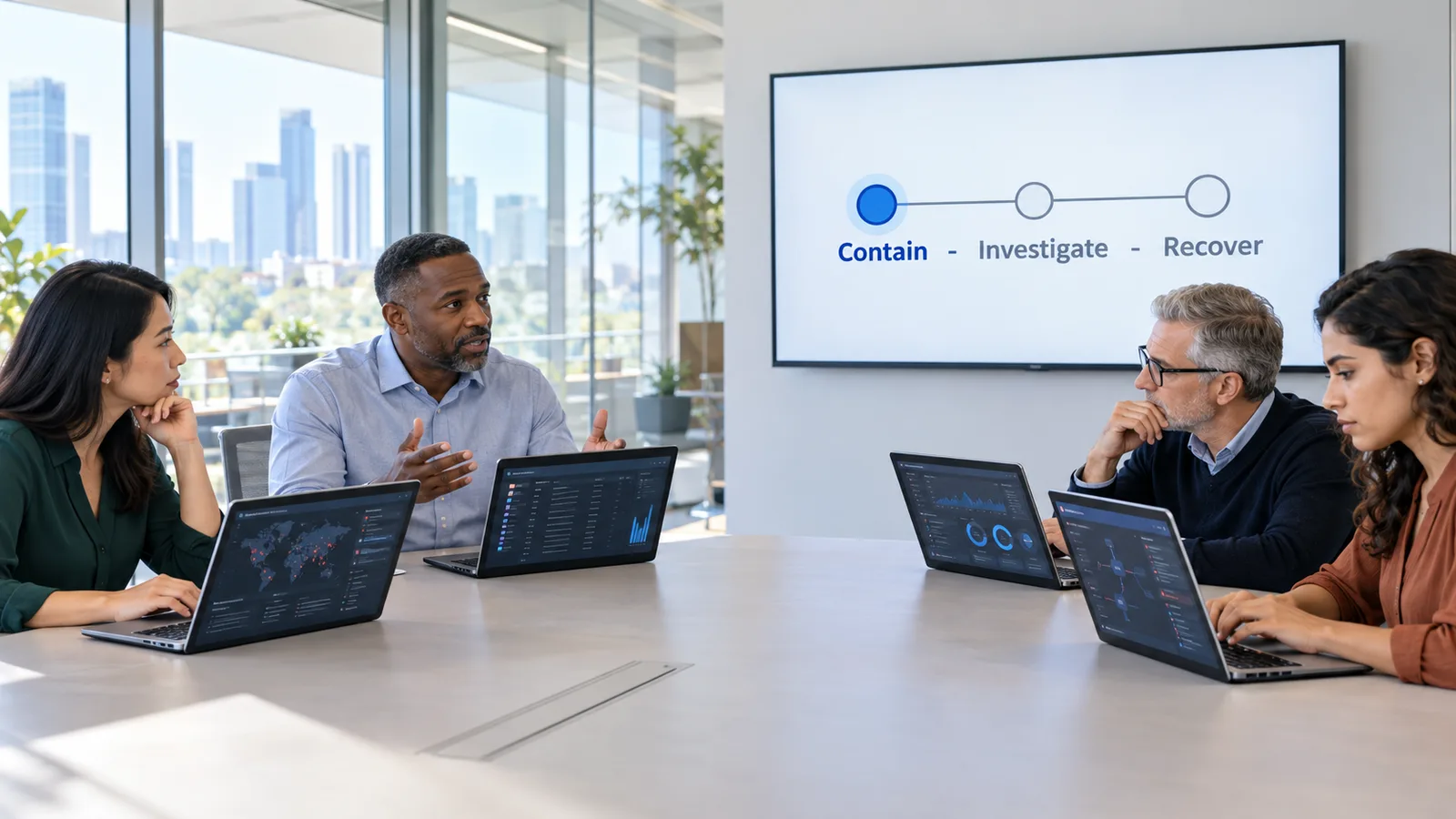
Incident Response and Forensics in Dallas-Fort Worth
When a breach hits, the first hours decide the damage. We move fast to contain the threat, preserve evidence, and find root cause.
What we do
When a breach hits, the first hours decide the damage. Our incident response team moves fast to contain the threat, preserve evidence, and find root cause. Then we turn the incident into hardening so it does not happen twice.
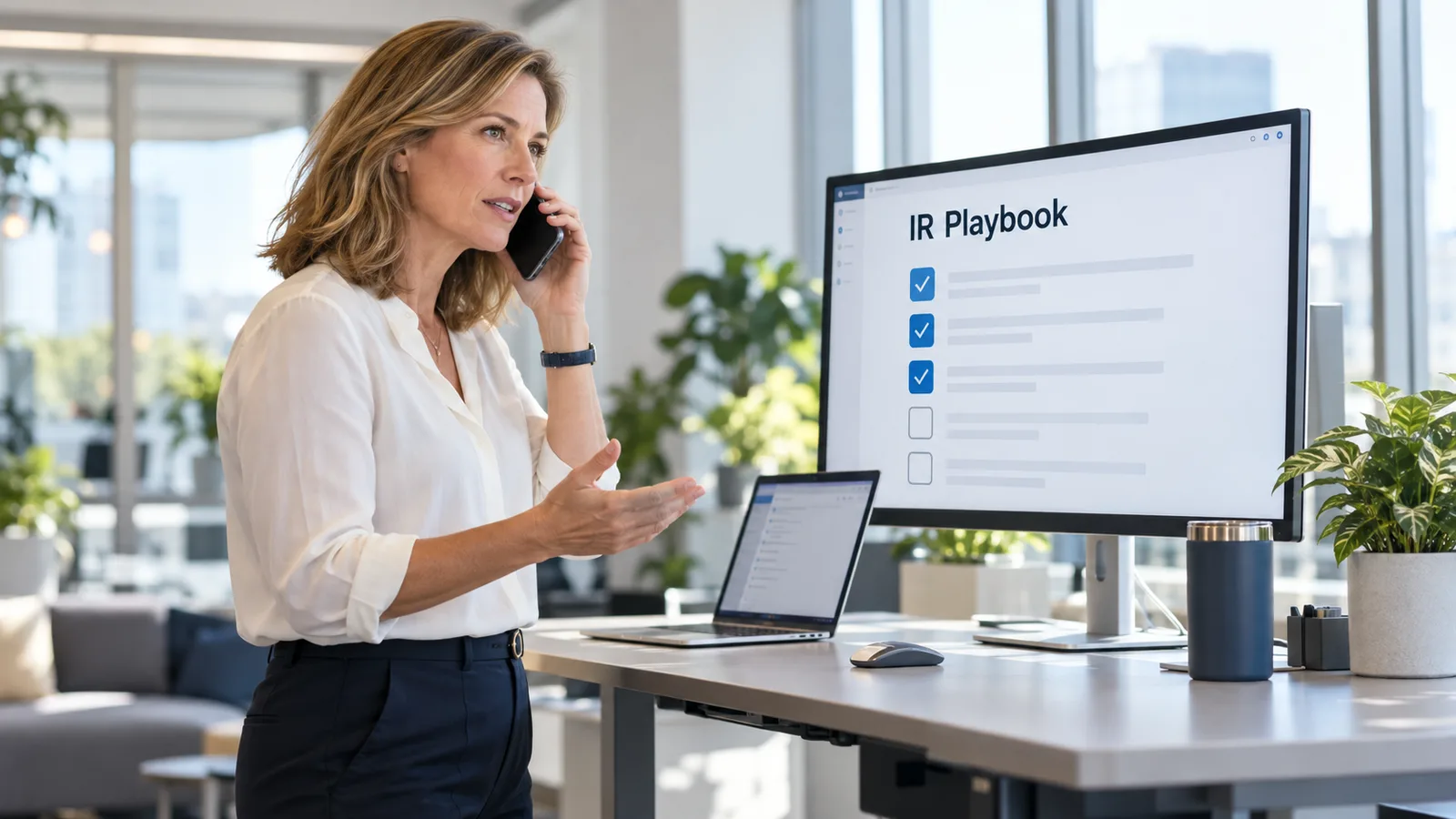
You get two things from us. We help you build a response plan before you need one, and we show up and take the wheel when you need help right now. Both use the same discipline: contain, investigate, recover, report.
What's included
Breach containment
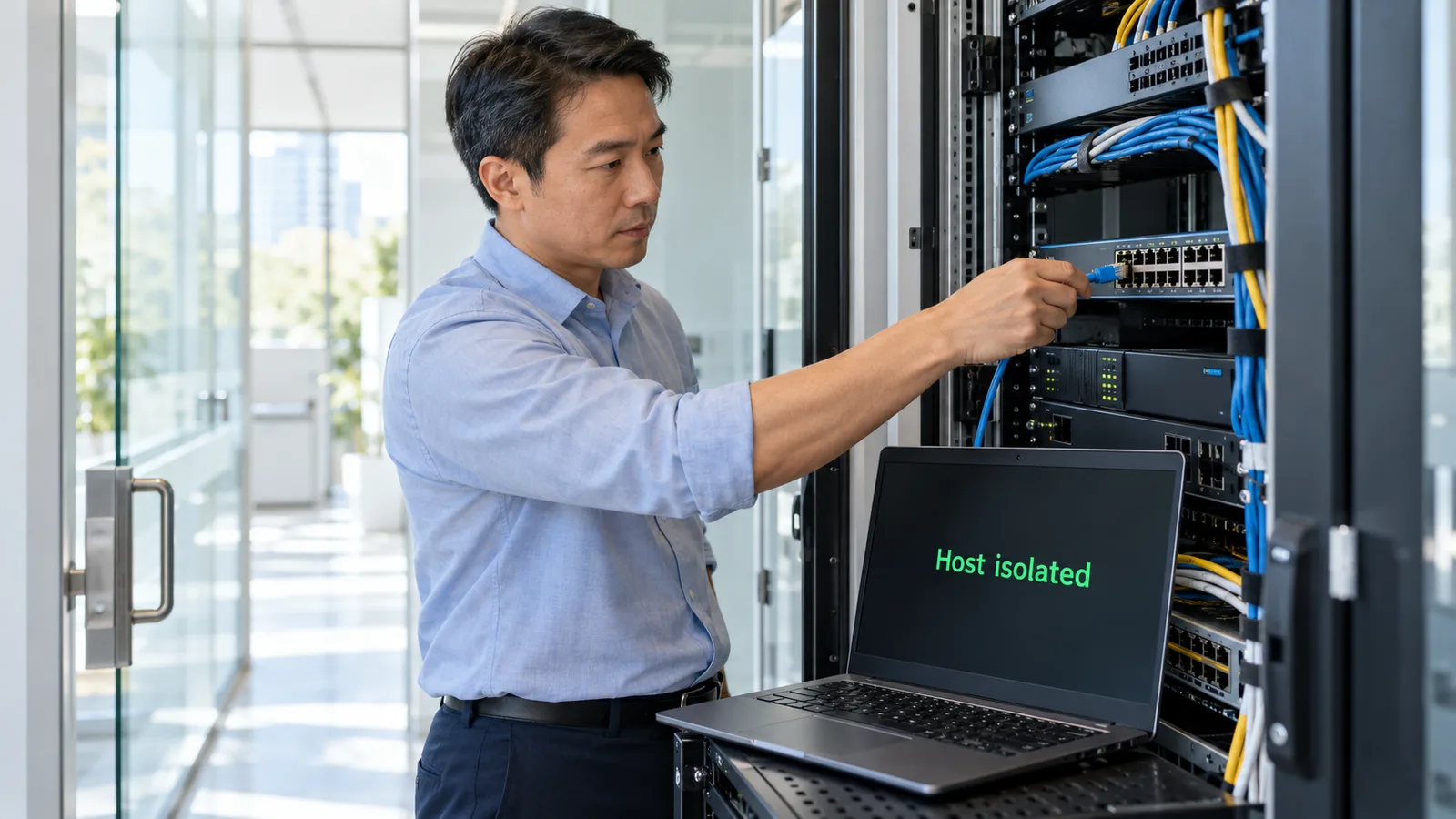
Containment is the first job. We isolate affected systems, cut off the attacker's access, and stop lateral movement before it spreads to the rest of your network. We do this without torching the evidence, because the actions you take in the first hour decide what you can prove later. We coordinate with your team so business functions stay up where they can. The goal is simple: shrink the blast radius fast and keep the door shut.

Digital forensics
Forensics is how you find out what actually happened instead of guessing. We collect and preserve disk images, memory, logs, and network artifacts using sound chain-of-custody so the evidence holds up. We trace the attacker's path: how they got in, what they touched, what they took. We tell the difference between what was accessed and what was exfiltrated, which matters for your legal and regulatory calls. You get facts, not theories.
Root cause analysis
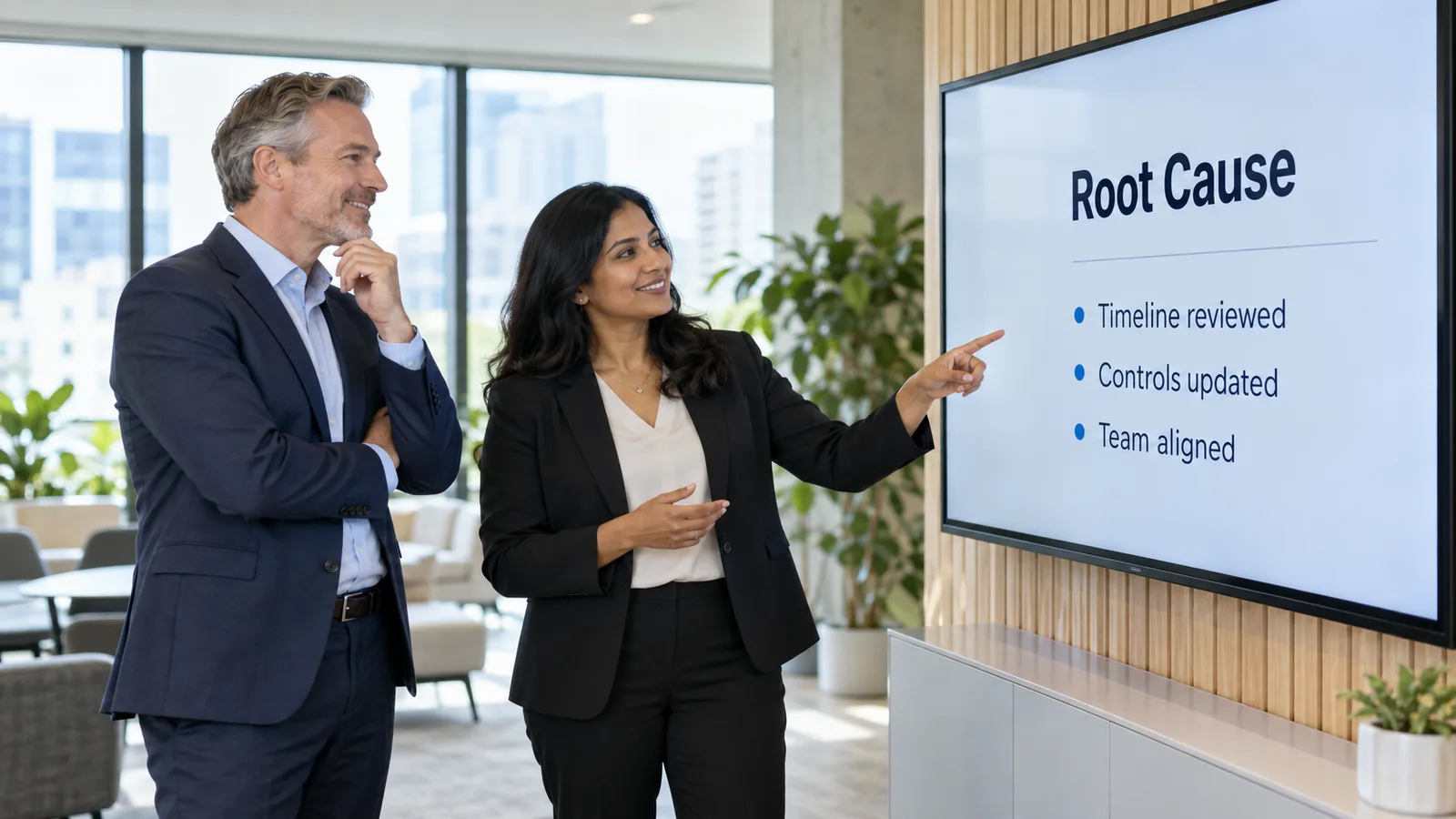
Containment stops the bleeding. Root cause tells you why you were cut in the first place. We work back from the intrusion to the initial foothold: the unpatched system, the reused password, the phishing email, the misconfigured service. We separate the root cause from the symptoms so you fix the real hole and not just the last thing that broke. Without this step, you are treating the fever and leaving the infection.
Recovery planning
Recovery is where most teams rush and reinfect themselves. We build a plan to bring systems back clean, in the right order, without reintroducing the attacker's access. That means validating backups, rotating credentials, closing the entry point, and watching for reentry as you restore. We help you decide what comes back first based on business need and risk. You return to normal operations on a plan, not on adrenaline.

Post-incident reporting
The report is the deliverable that outlives the incident. You get a forensic timeline of what happened and a post-incident report with concrete changes to make. It is written to be usable for your insurers, your regulators, and your board, without a translator. We list the specific gaps we found and the specific fixes that close them. This is the document that turns a bad week into a stronger security posture.
Who it's for
You are a good fit if:
- You are in an active incident and need experienced hands on it now.
- You want a response plan and a team lined up before you ever need one.
- You have to answer to an insurer, a regulator, or a board after an event.
- Your internal team is capable but has never run a full breach investigation.
- You suspect something happened but cannot yet prove what or how far.
- You want the incident turned into hardening, not just cleaned up and forgotten.
We work on site across Dallas-Fort Worth and remotely for clients elsewhere. Engagements are project-based, fractional, or ongoing, with no long-term contract required. We help both before an incident, when you are building readiness, and during one, when the clock is already running.
What you can expect
Fast start. When you call, you talk to a senior practitioner, not a queue. We scope the situation, get access, and begin containment work quickly. Speed in the first hours is the whole point.
Evidence handled right. We preserve what matters before we change anything. Every action is taken with the legal and regulatory picture in mind. If you end up in front of an insurer or a court, the record holds.
Plain answers. We tell you what happened, what it means, and what to do about it in language your board can read. No jargon smokescreen. You get the facts and the decisions in front of you clearly.
Hardening, not just cleanup. We close the incident by closing the hole. The final report gives you concrete changes to make so the same attack does not work twice. The point is that you come out stronger than you went in.
Frequently asked questions
We think we're being breached right now. What do we do first?
Call us at (888) 382-7685 before you start deleting things or wiping machines. Rushed cleanup often destroys the evidence you need later and can leave the attacker's access in place. We will help you isolate affected systems the right way while preserving what matters for the investigation.
Do we need a contract in place before an incident to get help?
No. We take on active incidents for new clients, and engagements are project-based, fractional, or ongoing with no long-term contract required. That said, having a plan and a team lined up in advance saves critical time when the clock is already running.
Can you work with us remotely, or do you have to be on site?
Both. We work on site across Dallas-Fort Worth and support clients elsewhere remotely. Much of forensic collection and analysis can be done remotely, and we come on site when the situation calls for it.
Will the report hold up for our insurer, regulators, and board?
That is what it is built for. You get a forensic timeline of what happened and a post-incident report written to be usable by insurers, regulators, and your board. We preserve evidence with sound chain-of-custody so the record stands up to scrutiny.
What happens after the incident is contained?
Containment is not the finish line. We find the root cause, build a recovery plan to bring systems back clean, and deliver a report with concrete changes to close the gap we found. The goal is that the same attack does not work on you twice.
Not sure where to start?
Book a free security consultation. We assess your current posture and recommend the right move for your situation. No commitment, no pressure.
Schedule a Consultation